
Best Splicing Machines of 2024 | Top 5 Fiber Fusion Splicers for Professionals

In the world of fiber optics, the right tools can make all the difference. Splicing machines, often referred to as the "heart" of fiber optic installation, are essential for ensuring the highest quality connections in telecommunication networks. With technology advancing rapidly, choosing the best splicer for your needs in 2024 can be a daunting task. To help you navigate the options, we’ve compiled a list of the top 5 fiber fusion splicers, each with its unique strengths, industry usage, and what professionals are saying about them.
1. Fujikura 66S+
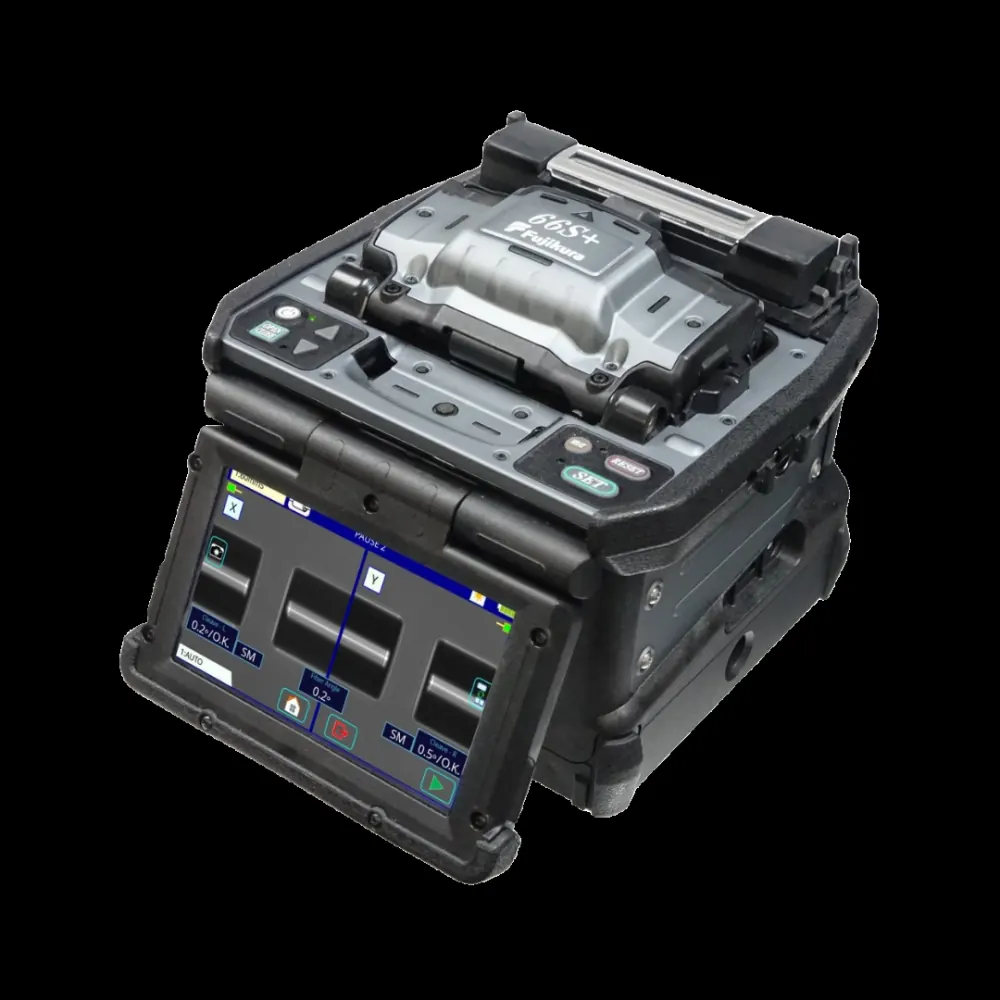
Specifications:
Splice Time: 6 seconds Heating Time: 14 seconds Fiber Types: SMF, MMF, DSF, NZDSF, BIF Battery Life: 300 splices with heating cycles Screen: 4.7-inch LCD touchscreen Weight: 2.1 kg (with battery) Data Storage: Internal memory for 10,000 splices
Industry Usage: The Fujikura 66S+ is a favorite among professionals working in large-scale telecommunications and data centers. Known for its speed and precision, this machine is perfect for environments where time is money and reliability is crucial.
What People Say: "Fast, efficient, and incredibly reliable," is how one technician described the Fujikura 66S+. Users also rave about its robust build and user-friendly interface, making it a go-to for both seasoned splicing experts and those newer to the field.
2. Fujikura 48S+
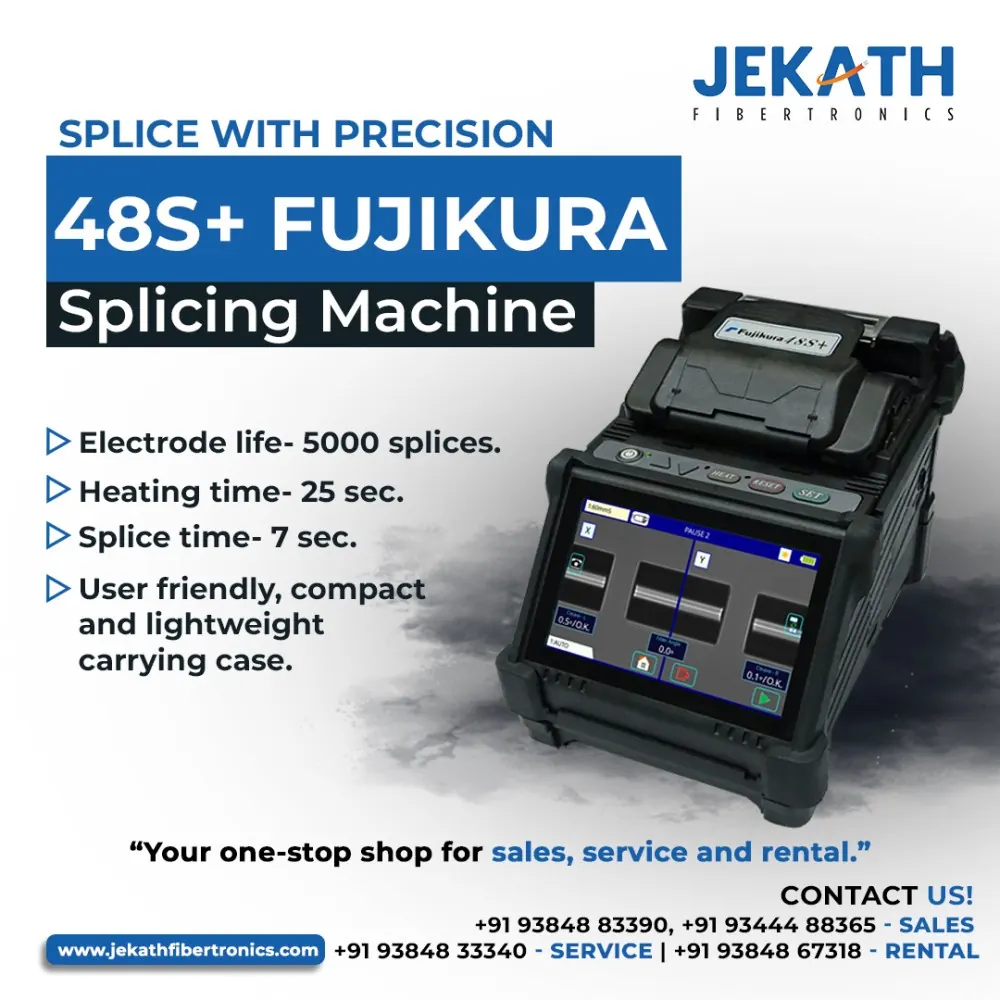
Specifications:
Splice Time: 7 seconds Heating Time: 18 seconds Fiber Types: SMF, MMF, DSF, NZDSF, BIF Battery Life: 200 splices with heating cycles Screen: 4.3-inch LCD monitor Weight: 2.3 kg (with battery) Data Storage: Up to 5,000 splices
Industry Usage: Ideal for fieldwork and smaller projects, the Fujikura 48S+ is known for its versatility and portability. It’s a preferred choice for contractors and field technicians who need a reliable splicer that can handle a variety of fiber types.
What People Say: Technicians often praise the Fujikura 48S+ for being "the ultimate workhorse" in challenging environments. Its durability and adaptability are frequently highlighted, along with its consistent performance across different fiber types.
3. Fujikura 43S
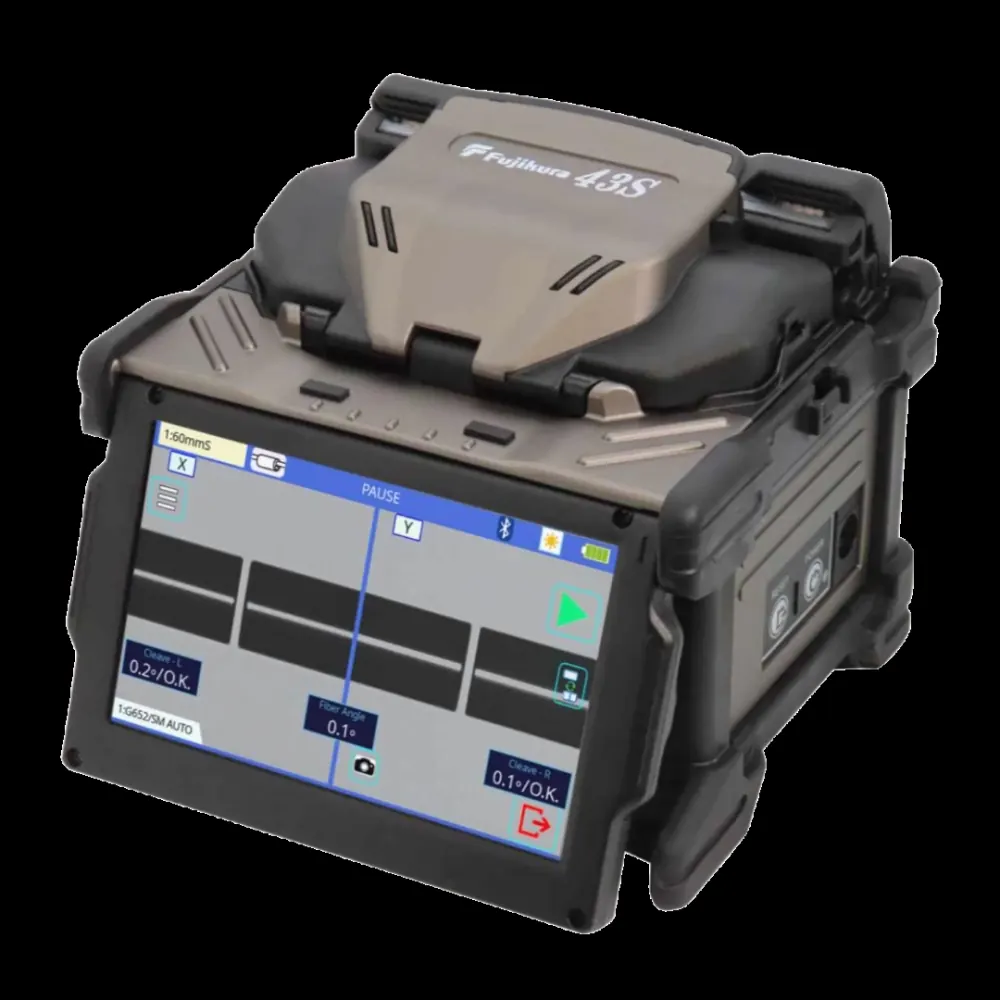
Specifications:
Splice Time: 8 seconds Heating Time: 20 seconds Fiber Types: SMF, MMF, DSF, NZDSF, BIF Battery Life: 150 splices with heating cycles Screen: 3.5-inch LCD display Weight: 2.5 kg (with battery) Data Storage: Internal memory for 3,000 splices
Industry Usage: The Fujikura 43S is commonly used in rural and suburban network installations, where conditions can be less predictable. It’s known for its rugged design and ability to perform consistently, even in less-than-ideal environments.
What People Say: "Built like a tank and performs like a champ," is a common sentiment among users. The Fujikura 43S is especially appreciated for its durability and dependability in the field.
4. Sumitomo S1V
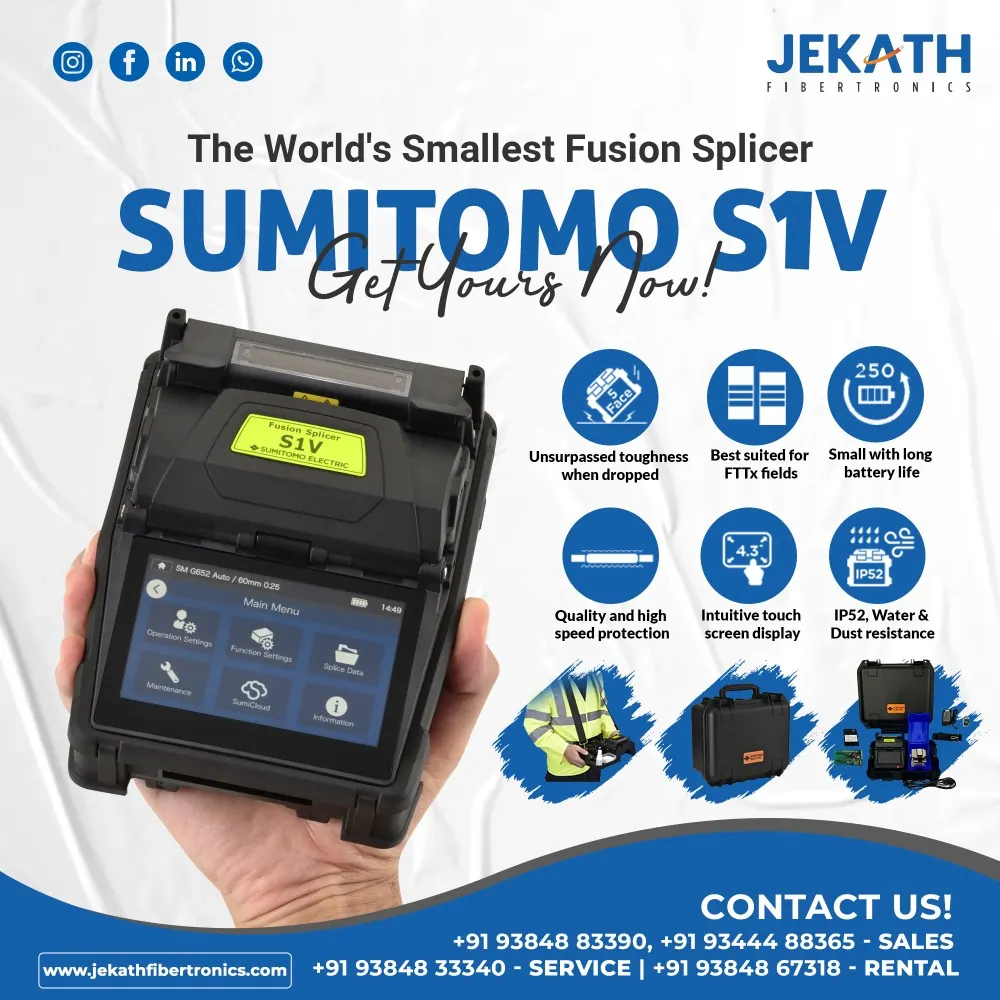
Specifications:
Splice Time: 7 seconds Heating Time: 15 seconds Fiber Types: SMF, MMF, DSF, NZDSF, BIF Battery Life: 250 splices with heating cycles Screen: 5-inch color touchscreen Weight: 2.2 kg (with battery) Data Storage: Up to 7,000 splices
Industry Usage: The Sumitomo S1V is popular in high-tech labs and advanced telecommunication hubs where precision and data management are paramount. It’s a top choice for complex installations requiring meticulous attention to detail.
What People Say: Described as "the epitome of precision," users admire the Sumitomo S1V for its cutting-edge technology and ease of use. Many professionals highlight its excellent data management features, which are crucial for large projects.
5. Sumitomo Z2C
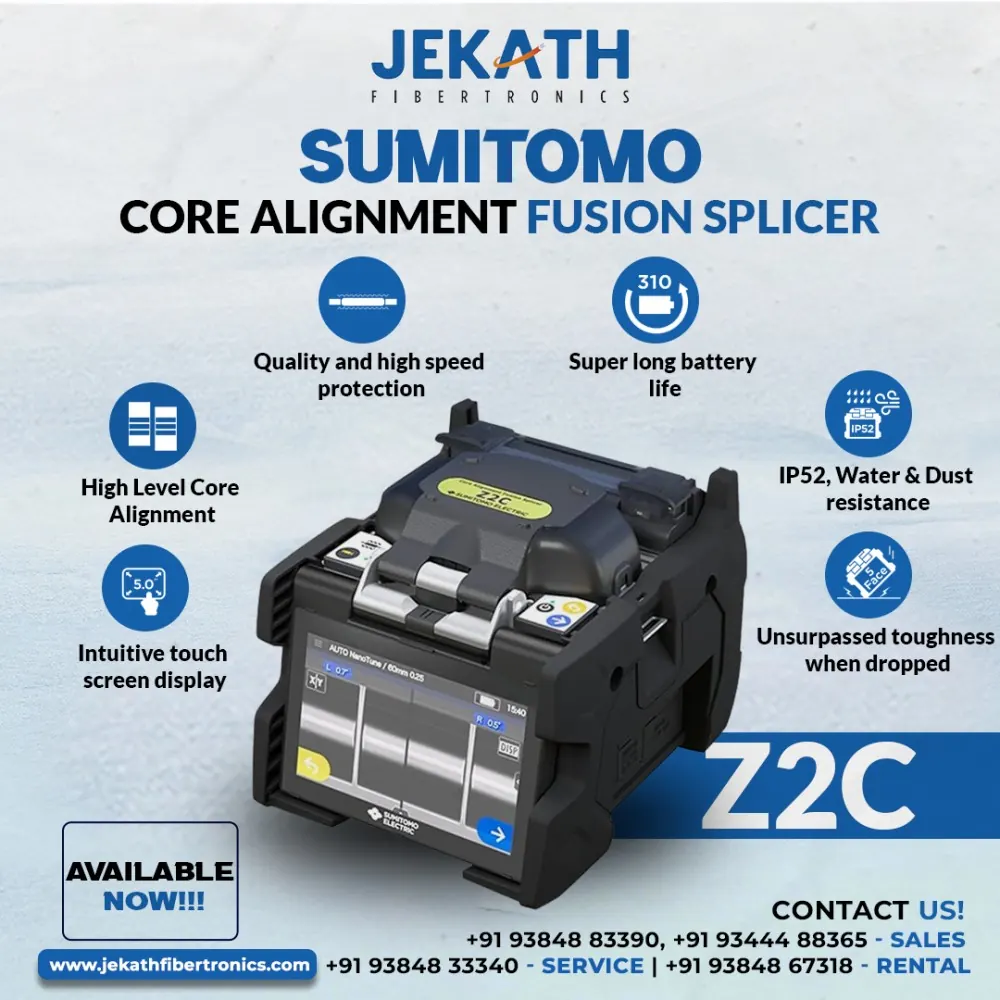
Specifications:
Splice Time: 6.5 seconds Heating Time: 16 seconds Fiber Types: SMF, MMF, DSF, NZDSF, BIF Battery Life: 280 splices with heating cycles Screen: 5-inch color LCD Weight: 2.4 kg (with battery) Data Storage: Internal memory for 8,000 splices
Industry Usage: This model is favored by professionals working on critical infrastructure projects, where both speed and accuracy are vital. The Sumitomo Z2C is engineered to handle demanding environments and extensive workloads.
What People Say: Praised as "reliable and speedy," the Sumitomo Z2C has earned a reputation for being a highly efficient and dependable machine. Technicians appreciate its balance of speed and precision, making it a top choice for critical installations.
Conclusion
Choosing the right fiber fusion splicer is crucial for any professional in the telecommunications industry. Each of the machines listed above offers distinct advantages, depending on the specific needs of your project. Whether you prioritize speed, precision, or durability, the Fujikura and Sumitomo models in our top 5 list have proven themselves to be the best in the industry for 2024.